Kyoto: Japan’s political story over the past 16 months reads like a high-stakes drama—one that began with scandal, flirted with collapse, and ended in a sweeping comeback few would have predicted. Two snap elections, held under two very different prime ministers, have not only reshaped the balance of power in Tokyo but also redefined voter expectations, party alliances, and the very idea of leadership in modern Japan.
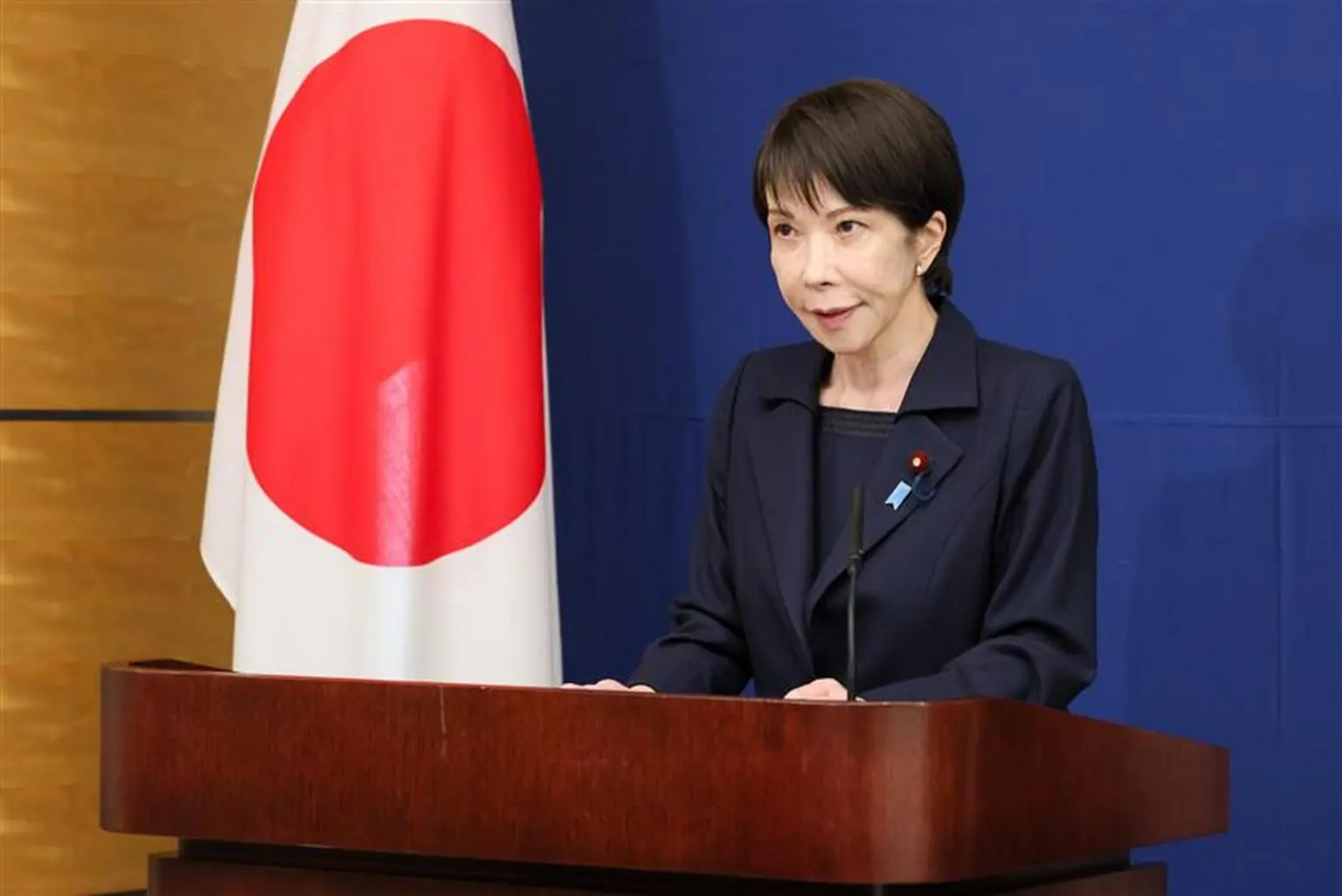
The first election, in October 2024, delivered a stinging rebuke to the once-invincible Liberal Democratic Party (LDP) under Prime Minister Shigeru Ishiba. The second, held today on February 8, 2026, has produced the opposite result: a historic landslide for his successor, Prime Minister Sanae Takaichi—Japan’s first woman leader—restoring LDP dominance and granting her coalition a commanding supermajority. Together, these votes trace a remarkable arc from voter anger to renewed consolidation of power.

The Ishiba Interlude: Crisis, Reform Promises, and a Failed Gamble
The roots of the political upheaval lie in the LDP’s worst credibility crisis in decades. By mid-2024, a sprawling political funding scandal had engulfed the party, exposing unreported slush funds and opaque fundraising networks, particularly within the influential Abe faction. For voters already squeezed by inflation, stagnant wages, and a sense that economic recovery was passing them by, the revelations confirmed long-held suspicions about complacency and entitlement at the top.
In September 2024, Prime Minister Fumio Kishida resigned, triggering a fiercely contested LDP presidential race. Nine candidates entered the fray—a sign of both internal chaos and desperation for renewal. Shigeru Ishiba, a veteran lawmaker and former defense minister known for his maverick streak, narrowly defeated conservative firebrand Sanae Takaichi in a runoff. His outsider image and reformist rhetoric briefly lifted public expectations.
Ishiba assumed office on October 1, 2024, promising to clean up politics and reconnect with voters. Just eight days later, he made a fateful decision: dissolving the House of Representatives and calling a snap election for October 27, more than a year ahead of schedule. The aim was clear—capitalize on his early popularity and secure a fresh mandate before the scandal’s aftershocks fully settled.
Instead, voters delivered a brutal verdict. The LDP–Komeito coalition crashed from 279 seats to just 215, well short of the 233 needed for a majority. The LDP alone slumped to 191 seats, its second-worst result in history. The opposition Constitutional Democratic Party of Japan (CDPJ) surged to 148 seats, while smaller parties made steady gains. For the first time since 2009, the LDP lost control of the lower house.
Although Ishiba survived a rare parliamentary runoff to remain prime minister, he led a fragile minority government dependent on ad-hoc deals. The sense of instability only deepened. In July 2025, the coalition lost its majority in the House of Councillors as well, further weakening Ishiba’s authority. Approval ratings sank amid persistent economic pain and renewed global uncertainty, including trade tensions fueled by the return of Donald Trump to the White House. By September 2025, pressure from within the LDP became irresistible, and Ishiba announced his resignation.
A Break with the Past: Takaichi Takes the Helm
The LDP’s next leadership contest, held on October 4, 2025, proved decisive. Sanae Takaichi, a staunch conservative and longtime ally of the late Shinzo Abe, won convincingly on her third attempt. Often dubbed Japan’s “Iron Lady” for her admiration of Margaret Thatcher, Takaichi campaigned on a sharply defined platform: tax cuts to spur growth, robust defense spending in response to regional threats, a tougher line on China, and tighter immigration controls.
Her ascent marked more than a change of faces. Upon becoming prime minister on October 21, 2025, Takaichi broke with decades of precedent by ending the LDP’s long-standing coalition with Komeito. Instead, she forged a new alliance with the Japan Innovation Party (Ishin), a populist, right-leaning force with strong urban and youth appeal, particularly in Osaka. The move signaled a deliberate attempt to shake off the image of an aging, insular ruling party and to capture voters disillusioned by years of drift.
The Winter Vote: A High-Risk, High-Reward Election
Barely three months into her tenure, Takaichi made her own audacious gamble. In January 2026, she dissolved the lower house and called a snap election for February 8—a rare winter contest, with snow blanketing parts of northern Japan. The calculation was clear: strike while her personal approval ratings were high and before opposition parties could regroup.

The campaign was tightly focused. Takaichi pitched herself as a decisive leader in contrast to Ishiba’s perceived hesitancy. She promised tax relief to ease inflation pressures, a stronger military posture amid growing tensions with China, and a brand of economic nationalism aimed at restoring confidence and stability. The LDP–Ishin partnership emphasized reform and energy, while opposition parties struggled to present a unified alternative.
Polling suggested momentum was firmly on Takaichi’s side, especially among younger voters and those weary of political paralysis. Still, the scale of what followed surprised even seasoned observers.
A Stunning Reversal: Landslide Victory in 2026
As votes were counted on February 8, projections from NHK and other major broadcasters quickly confirmed a political earthquake—this time in the ruling party’s favor. The LDP alone was on track to win between 274 and 328 seats, comfortably regaining a single-party majority and in some estimates approaching its strongest performances since the Abe era. Combined with Ishin, Takaichi’s coalition secured well over 300 seats in the 465-member lower house, crossing the two-thirds threshold needed for a supermajority.
The contrast with October 2024 could not have been starker. Then, voters had punished the LDP for scandal and stagnation. Now, they rewarded a promise of decisiveness, stability, and renewal—even if that renewal came wrapped in familiar conservative themes. Opposition parties, including the CDPJ, suffered significant losses, their message drowned out by the electorate’s desire for clear leadership after years of turmoil.
In her victory remarks, Takaichi struck a confident tone, pledging fiscal responsibility alongside reform and signaling readiness to use her supermajority to overcome resistance in the upper house, where her bloc remains short of control.
What It Means for Japan
Takaichi’s landslide fundamentally reshapes Japan’s political landscape. With a supermajority in the lower house, she gains unprecedented leverage to push through tax reforms, expand defense budgets, and reshape economic policy—even overriding the upper chamber if necessary. For a country navigating global uncertainty, regional security challenges, and domestic economic strain, the promise of stable governance is powerful.
Yet risks remain. Markets have reacted cautiously to her tax-cut agenda, wary of rising debt and yen volatility. Her hawkish stance toward China could heighten regional tensions. And inflation, the very issue that helped sink her predecessor, has not vanished.
Politically, however, the message is unmistakable. The turbulence of 2024–2025 forced a reckoning within the LDP, clearing the way for a bold leadership reset. With today’s resounding endorsement, Sanae Takaichi emerges not just as Japan’s first female prime minister, but as one of its most powerful leaders in decades—closing a chapter of instability and opening a new, assertive phase in Japanese politics.